
A beautiful country...
Roughly the size of Ohio, Guatemala is home to tropical rainforests, mountains, valleys, lowland forests, beaches, and more than 30 volcanoes. It is rich with natural resources and its warmer climates are perfect for growing coffee, sugar, fruits, vegetables, and flowers.
…with a tragic history
But Guatemala’s Western Highlands exhibit one of the most extreme combinations of systemic poverty, illiteracy, and inequality in the hemisphere. Since the time of the Spanish conquest in the 1500s, government policies have excluded the Indigenous Maya people from sharing in the benefits of the country’s economic growth. The Maya also endure the legacy of a brutal 36-year civil war that left more than 200,000 dead and hundreds of thousands displaced. Even two decades after the Peace Accords were signed, many Maya communities struggle to recover from the violence.
Poverty, illiteracy, and inequality
Today, the Indigenous Maya in these regions suffer from poverty, malnutrition (rates of which rank among the worst in the world), poor health outcomes, high rates of illiteracy, and low levels of educational attainment.
%
of Indigenous Guatemalans live in poverty.
%
of impoverished kids never graduate from high school.
%
of Indigenous adults cannot read or write.
Compounding the problem, the majority of Maya do not have access to affordable, quality education. Teachers in rural schools often lack the formal training and resources—like books and computers—they need to facilitate learning. As a result, educational attainment is low, and illiteracy and dropout rates are high. Young people lack the education to secure higher-paying jobs, and the cycle of poverty continues.
Education is the path out of poverty
Many families in the regions we serve live hand-to-mouth, with little hope for a better future. Parents in these remote towns and villages want more for their children, and they know that education is the only pathway out of poverty. That’s where CoEd comes in. Through the generosity of our donors, we provide educational opportunities to impoverished Guatemalan schoolchildren that help them:
- Learn to read
- Stay in school
- Learn valuable skills
- Gain access to better jobs
- Discover their value
- Achieve their potential
- Give back to the world
Through education, these vulnerable young people are able to lift themselves, their families, and their entire communities out of poverty—breaking the cycle, once and for all.
Stories from Guatemala
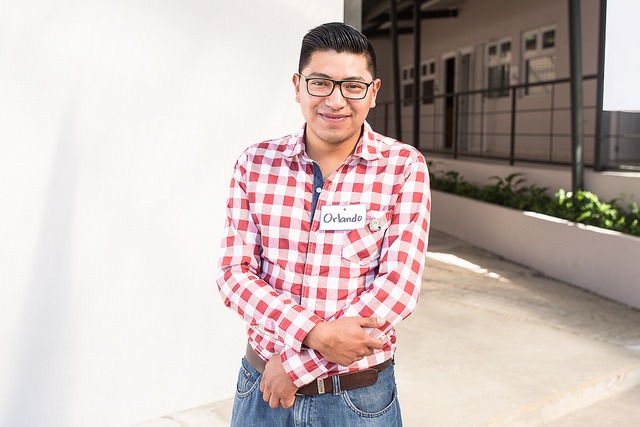
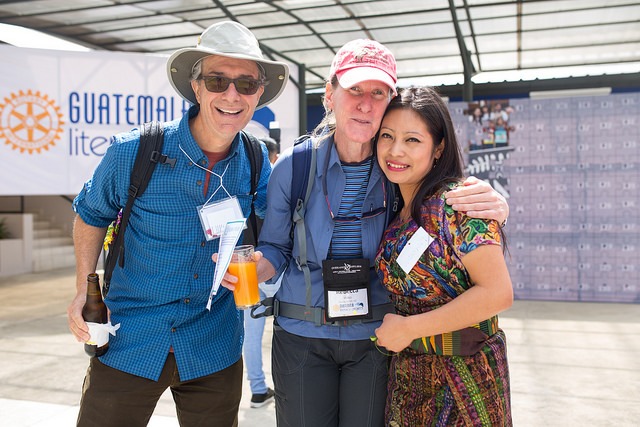
The students we work with each have their own dreams. Read some of their stories and discover how they are working to achieve these dreams despite fierce obstacles.

Program Map
Our work is concentrated in Guatemala’s Central Highlands, which are plagued by systemic poverty, illiteracy, and inequality. Every day, we serve thousands of students through four main programs.
- Spark Reading Program: Red
- Textbook Program: Orange
- Technology Program: Green
- Rise Youth Development Program: Teal
- CFM School: Pink
- Casa Sofia: Purple